

 Revit/BIM Content


 Buy Aluminium online






























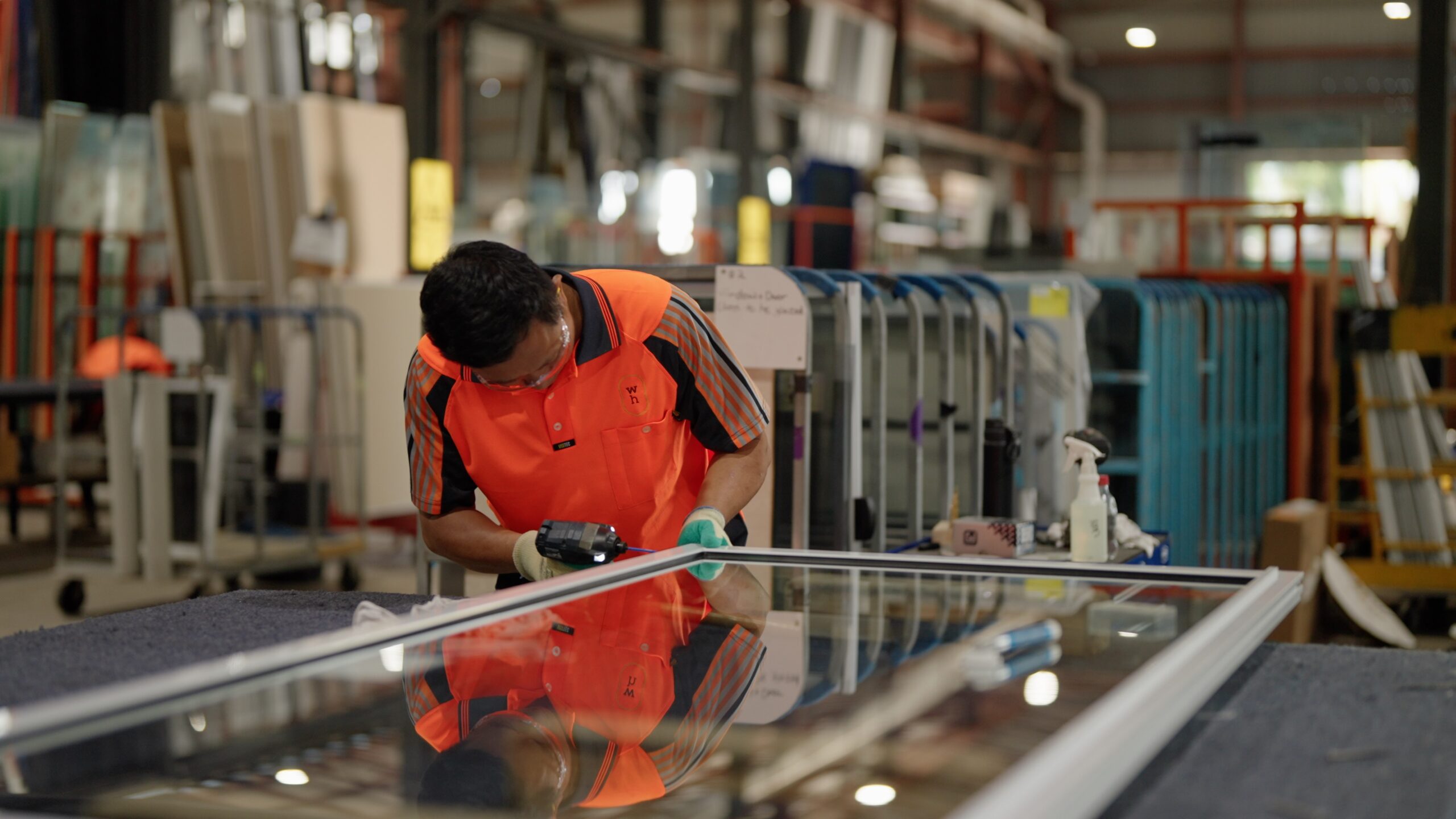
Capral Aluminium welcomes the Australian Trade Remedies Commission’s preliminary findings that the dumping and subsidisation of aluminium windows and doors imported from China have caused significant financial harm to Australian manufacturers.
Released yesterday, the Statement of Essential Facts for Investigation 691 into the dumping and subsidisation of aluminium windows and doors from China identifies dumping margins ranging from 5.3 to 70.4 per cent among exporters found to be dumping. It covers fully and partially assembled aluminium windows and doors imported during the investigation period from 1 July 2024 to 30 June 2025.
The Commission also found that some Chinese exporters received financial support from their government that gave them an unfair advantage over Australian manufacturers. For those exporters, an additional charge of 2.9 per cent of the export price has been included in the preliminary measures to counter that advantage.
“For Australian window and door manufacturers, many of whom are small, independently owned and operated businesses, these findings recognise the growing pressure they face from unfairly priced Chinese imports,” said Barry Lunn, Capral’s Divisional General Manager, Building Systems.
“Behind these businesses are people who have spent years building their teams, looking after customers and contributing to their communities. We work with many of them every day and know how much they put into what they do.
“We invest heavily in developing, engineering and testing our window and door systems so our fabricators can confidently deliver products suited to Australian conditions and compliant with Australian standards. Dumped imports undermine that investment by distorting prices and making it harder for local manufacturers to compete on fair terms.”
“These findings are an encouraging step towards fairer competition, giving local businesses greater confidence to keep investing in their people, their products and the customers they serve.”
Dumping occurs when goods are exported below their normal value, generally assessed against their price in the exporting country. When this causes significant harm, such as lost sales, reduced production or falling profits, Australia can apply trade remedies to address the unfair price advantage and restore a level playing field.
Window and door manufacturers bear the immediate impact, but the effects extend across the domestic supply chain, including aluminium extruders and system suppliers such as Capral, glass processors, hardware suppliers and transport providers. The March 2025 closure of Oceania Glass’s manufacturing plant, Australia’s last producer of architectural float glass, is a reminder of what is at stake when local manufacturing capability is lost.
From today, 15 October 2026, provisional measures require importers of fully or partially assembled aluminium windows and doors from China that fall within the scope of the investigation to provide financial security against potential duties when the goods are cleared through Australian Customs for use or sale in Australia.
Rates include 24.4 per cent for cooperating exporters not individually examined and 73.3 per cent for uncooperative and other unlisted exporters. Together, those groups represented approximately 71 per cent of Chinese import value covered by the investigation. Individually examined exporters have separate rates, with one excluded from the preliminary measures.
For builders, developers and anyone considering imported windows and doors for their next project, the implications deserve attention. A supplier’s quoted price may not include the newly imposed measures. At the highest published rate, an importer must provide an additional amount equivalent to 73.3 per cent of the export price as financial security against potential duties. If passed on to the purchaser, this could substantially increase the quoted cost. The eventual cost will depend on the exporter, the goods and the final determination.
“These are preliminary findings, but they are important. The Commission has recognised that dumped and subsidised imports have caused real financial harm to Australian window and door manufacturers,” said Tony Dragicevich, Capral’s Managing Director and Chief Executive Officer.
“Capral has been manufacturing in Australia for 90 years, developing and supplying aluminium window systems and extrusions to local window and door manufacturers for much of that time. We’ve worked alongside these businesses for decades. We know the capability these businesses have built and the investment it takes to maintain it.
“Australian manufacturers can compete. What they need is a market where prices reflect fair competition. These preliminary measures begin to address that imbalance while the investigation continues.
“For builders and developers considering Chinese imports, the cost implications are immediate. Before committing to an order, they need to understand what these measures mean for their project and compare the full cost with Australian-made alternatives.”
With preliminary measures now in place, the investigation will move into its next stage, giving interested parties an opportunity to respond before the Commission finalises its recommendations.
Submissions are due by 3 November 2026, with the Commission’s final report and recommendation to the Minister due by 16 December 2026. The Minister will then decide whether to impose final measures and at what rates.
Capral will make a submission in response to the findings and continue working with industry partners to ensure the experiences of Australian window and door manufacturers are represented as the investigation progresses.